
To protect customer information and site detail, some project names and figures have been anonymised. To see a complete solution for a scenario close to yours, please contact us.
Every project starts with one question: where exactly does the site get stuck?
Face-recognition access control was installed on the squat silos of a state grain reserve depot and interlocked with oxygen and hazardous-gas detectors. Entry requires both environmental clearance and identity verification, and every entry is recorded.
For the intake area between two parallel warehouses we used two approaches — movable masts at the four corners and a closed-track trolley on the outer wall — covering the whole working area with a limited number of devices and relocating as a set when the area moves.
A four-station rotary platform with multiple CCD cameras checks several faces and dimensions in a single load; NG parts are sorted automatically with images kept for process traceback and improvement.
Flexible bowl feeding is the entry point, followed by separating, orienting, assembling, flipping and snapping stations in series, replacing manual assembly. Seating and count are verified at the outlet, with automatic interception of faults.
A speed-chain line was built as the backbone, with parts travelling on pallets and lifted and located at each station. Stations follow the process sequence, with room reserved for extra sections and stations when capacity grows.
A 6-axis robot replaces manual trimming and welding, with force-controlled compensation to absorb part-size variation. Guarding, extraction and the operator panel form one unit, and several operations are completed in a single clamping.
Combustible dust is present in the grain processing workshop, so standard mobile cleaning equipment cannot enter. We supplied explosion-proof enclosures and electrical conversion for a batch of 10 units, meeting the requirements for dust-hazardous areas.
We retrofitted the start/stop control of an existing grain line, adding light curtains, time relays and mounting boxes, and delivered a packaging machine for spare-part kits that handles several specifications.
For the production of glass, ceramic and enamelware we built large-format dedicated equipment sized to the customer's product and cycle time, including feeding mechanisms, actuators and safety guarding.
These images come from customer lines and in-house commissioning, unedited. Seeing equipment under real conditions is worth more than a rendering.
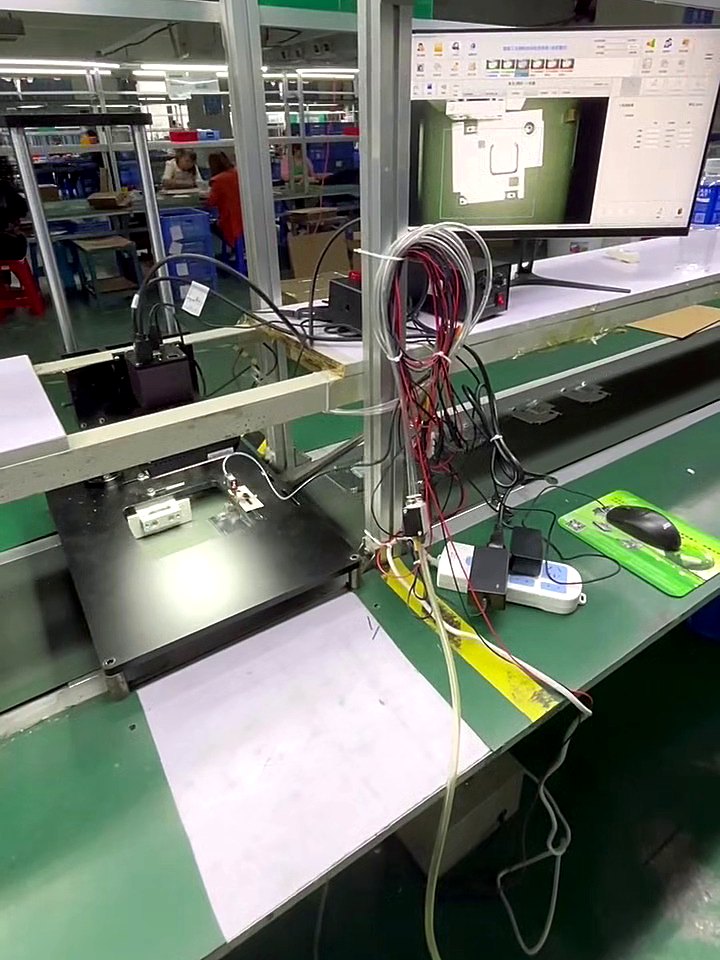
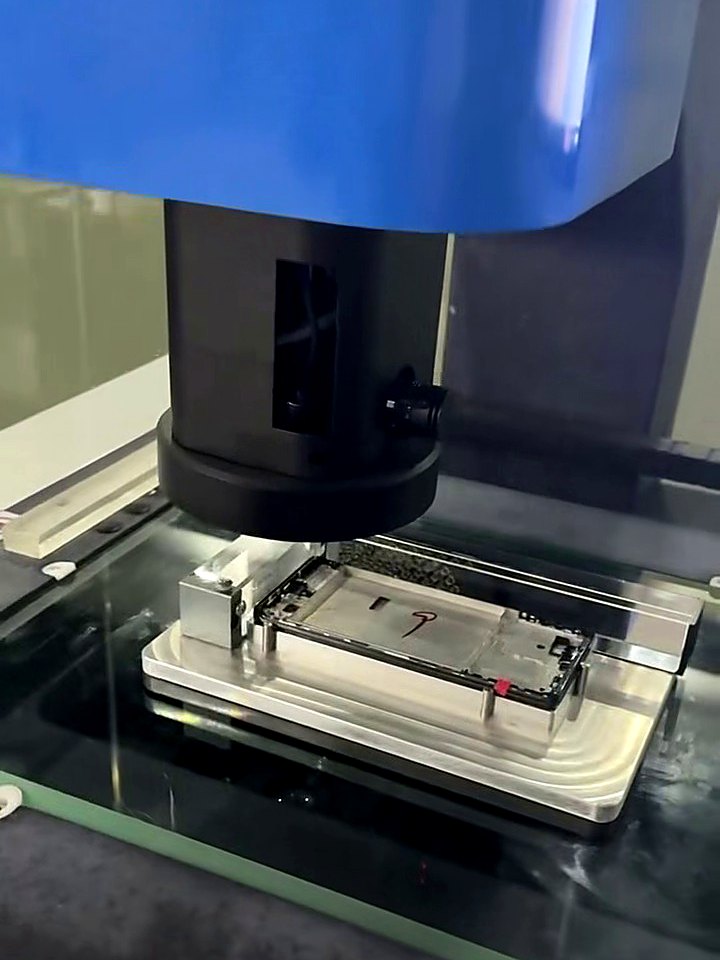
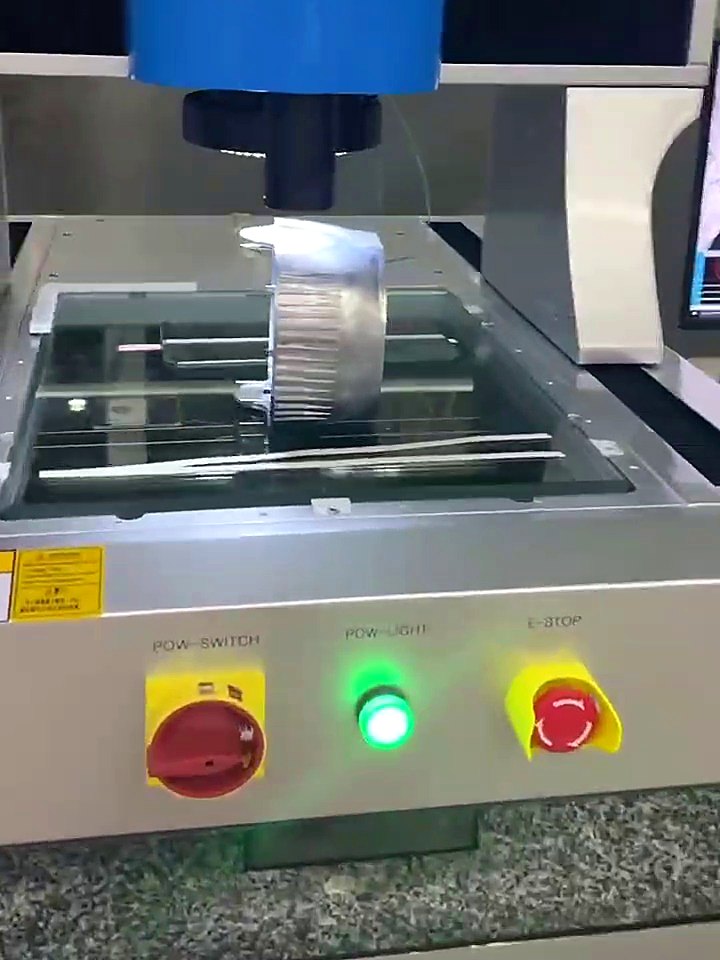
Delivery is only the beginning. The real test of custom equipment usually comes three months into volume production.
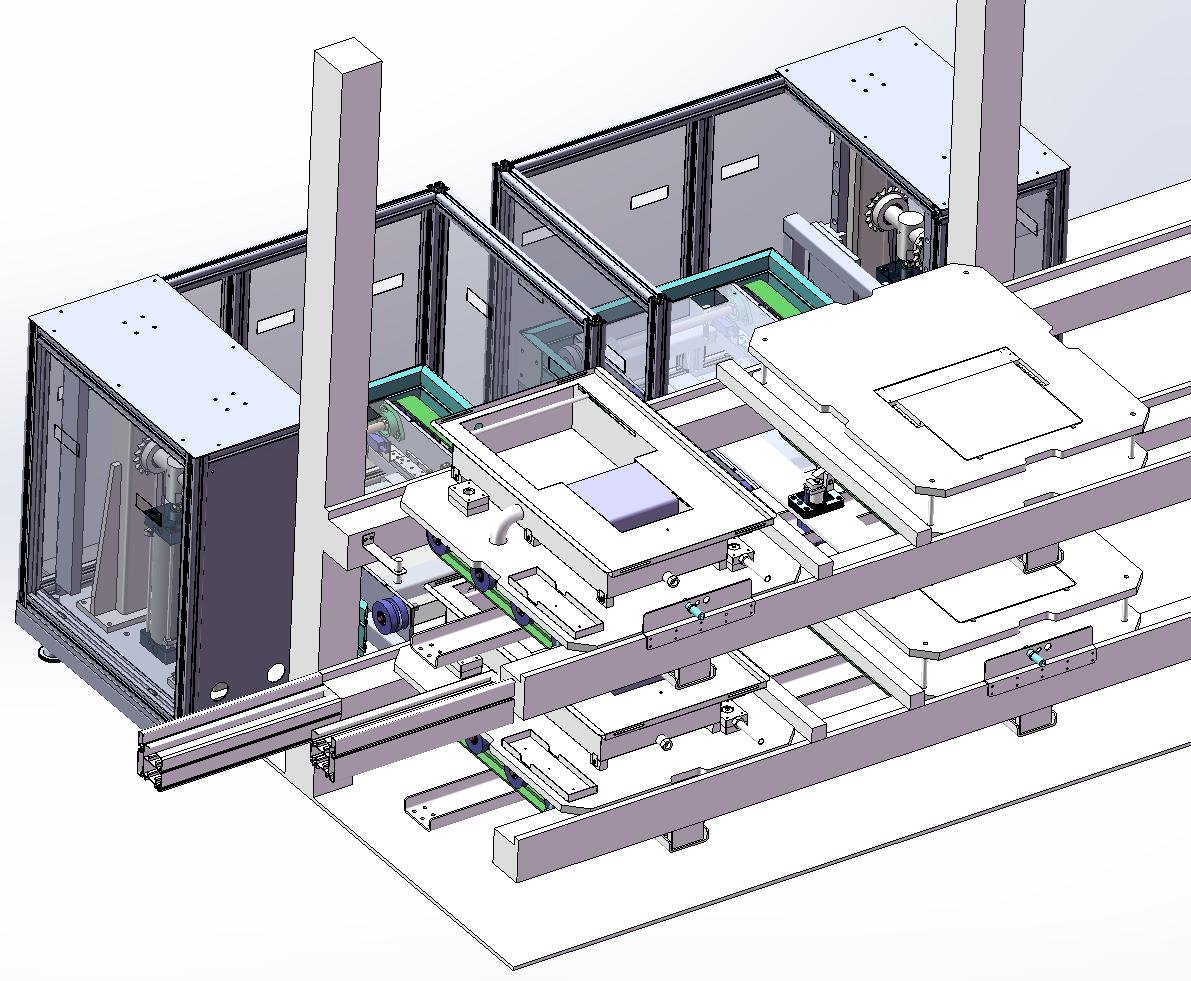
Tell us your industry and process, and we will explain how similar projects were approached, what was difficult and what the results were.
Tel +86 159 6080 5171 · Email soda@byrobot.com.cn